PP2- Breaches of Ethics

Introduction:
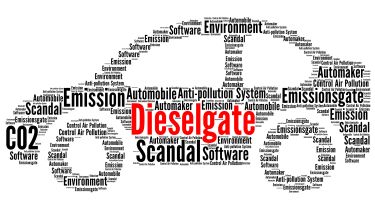
In September 2015, the automotive world was shaken by a revelation that would come to be known as the Volkswagen emissions scandal, or “Dieselgate.” Volkswagen, one of the largest car manufacturers in the world, was caught deliberately manipulating diesel engine software to make their vehicles appear cleaner than they really were. The scandal sparked outrage across the globe, leaving regulators, consumers, and environmental advocates questioning how such deception could go unnoticed for so long. Dieselgate serves as a powerful example of how misleading information can damage trust, harm public health, and leave long-lasting effects on both a company and its customers.
Diesel Market:
Volkswagen had spent years building a reputation for efficiency and environmental responsibility, through its line of diesel vehicles. Diesel engines are known for producing less carbon dioxide than gasoline engines, which Volkswagen used as a selling point in its marketing campaigns. The company promoted its cars as “clean diesel,” suggesting that buyers could enjoy the benefits of diesel fuel without contributing heavily to air pollution.
This branding strategy was especially appealing to environmentally conscious consumers. Advertisements, press releases, and promotional events emphasized fuel efficiency, low emissions, and compliance with strict environmental standards. Consumers were led to believe that purchasing a Volkswagen diesel was not just a practical choice, it was also a responsible one.
The Deception:
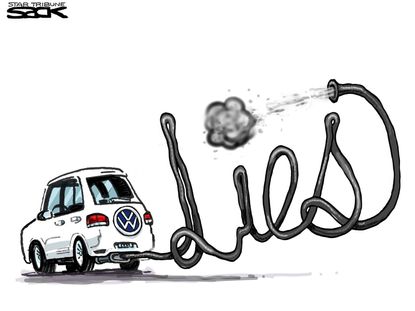
The heart of the scandal lay in Volkswagen’s use of what are called “defeat devices.” These were pieces of software embedded in the engine control system that could detect when a vehicle was undergoing emissions testing. During testing, the software would adjust engine performance to meet legal limits for nitrogen oxide (NOx) emissions. Under normal driving conditions, however, the vehicles released NOx at levels up to forty times higher than the legal limit.
By using these devices, Volkswagen provided regulators and consumers with false data. On paper, the cars were clean, compliant, and environmentally friendly. In reality, they were far more polluting than advertised. The company’s marketing materials reinforced this false impression, making drivers believe they were making environmentally responsible choices.
This deception highlights the dangers of corporate misrepresentation. Volkswagen misled not only regulators but also millions of consumers who trusted the brand and its claims.
Scandal Coming to Life:
The Volkswagen deception might have gone unnoticed if not for independent researchers. The International Council on Clean Transportation (ICCT) and researchers at West Virginia University conducted real-world emissions tests that showed significant discrepancies compared to laboratory results. These findings prompted the U.S. Environmental Protection Agency (EPA) to investigate, eventually confirming that Volkswagen had installed defeat devices in millions of vehicles.
The fallout was global. Investigations spread to Europe, Canada, and Asia, as authorities uncovered that the manipulation affected roughly eleven million cars worldwide, including vehicles sold under the Audi, Skoda, and Porsche brands. The scandal became a cautionary tale, demonstrating how easily deceptive practices can slip past regulators without rigorous, real-world testing.
Consumer Impact:
Volkswagen’s misleading information had far-reaching consequences for consumers, ranging from financial losses to public health concerns.
Financial Losses:
Many buyers paid a premium for Volkswagen diesel cars, believing they were purchasing advanced, environmentally friendly vehicles. When the scandal broke, the resale value of these cars dropped dramatically. Consumers faced significant losses if they tried to sell or trade in their vehicles. Volkswagen eventually offered buybacks and compensation programs, but these measures could not fully recover the financial damage or restore consumer trust.
Reputation:
Beyond financial costs, consumers also faced difficulties selling their cars. Owning a Volkswagen diesel became a stigma; cars linked to Dieselgate were often seen as tainted by deception. Even models not directly affected by the defeat devices suffered from a loss of brand credibility, demonstrating the ripple effect of corporate dishonesty on consumer confidence.
Health Risks:
The misrepresentation of nitrogen oxide emissions had broader implications. Nitrogen oxides contribute to air pollution, which can worsen respiratory conditions, increase the risk of cardiovascular disease, and contribute to environmental degradation. Consumers who believed they were making eco-conscious choices were, unknowingly, contributing to pollution that could harm their own communities. The scandal therefore had consequences that extended far beyond individual financial losses.
Legal Consequences:
Volkswagen faced a wave of legal action worldwide. In the United States, the company agreed to pay over $25 billion in fines, vehicle buybacks, and compensation to consumers. Executives involved in the scandal were prosecuted, with some receiving prison sentences. European penalties were generally smaller but still significant, and regulatory investigations continue in some jurisdictions.
The scandal also forced Volkswagen to undertake major corporate reforms. Compliance departments were overhauled, new oversight mechanisms were implemented, and the company invested heavily in electric vehicles to rebuild public trust. Dieselgate serves as a stark reminder that short-term gains achieved through deception can lead to long-term consequences far greater than the initial benefit.
Ethnical Failing:
Dieselgate exposed serious ethical failures within Volkswagen. Executives prioritized market share and profits over honesty and consumer trust. The deliberate installation of defeat devices was not a technical error or oversight—it was a calculated strategy to mislead both regulators and the public.
The scandal illustrates the importance of corporate responsibility and ethical decision-making. Consumers rely on companies to provide accurate information about products, especially when it concerns health and environmental impact. Volkswagen’s actions broke this trust, highlighting the dangers of placing profit above transparency and accountability.
Industry Lessons:
The fallout from Dieselgate has led to meaningful changes in both regulatory practices and consumer expectations. Governments around the world have strengthened emissions testing protocols, including real-driving emissions (RDE) tests, to prevent similar manipulations. Automotive manufacturers are now under closer scrutiny, with stricter penalties for misleading claims.
Consumers have also become more skeptical of marketing claims, especially those related to environmental performance. Independent verification, third-party certification, and transparent reporting have become critical tools for evaluating corporate claims. The scandal reinforced the need for vigilance, both by regulators and by buyers, to ensure that product claims match reality.
Conclusion:
The Volkswagen emissions scandal remains one of the most striking examples of corporate deception in recent history. By misleading consumers and regulators about emissions levels, Volkswagen caused financial, reputational, and public health damage. Dieselgate highlights the consequences of prioritizing profit over honesty and underscores the need for ethical business practices.
For consumers, it serves as a warning to scrutinize claims and demand transparency. For regulators and the industry, it represents a turning point in emissions testing, corporate accountability, and environmental oversight. The scandal has left a lasting mark on the automotive industry, reinforcing the importance of truth in advertising and the far-reaching consequences of misleading information.

Comments
Post a Comment